
What is Indus Waters Treaty – Explained for Class 9 Students
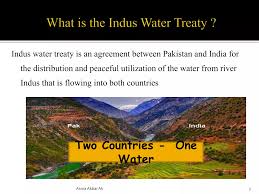
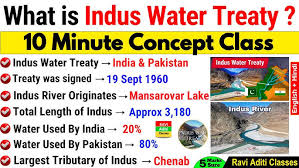
What is Indus Waters Treaty? is an important agreement between India and Pakistan that was signed in 1960. It was created to share the water of the Indus River system, which flows through both countries. This treaty is one of the most successful water-sharing agreements in the world and continues to guide how both countries use river water for farming, electricity, and daily needs. Newsmax
Background of the Indus Waters Treaty
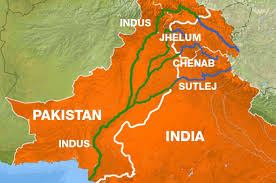
After the partition of British India in 1947, India and Pakistan became two separate countries. Many rivers, including the Indus and its tributaries, flowed through both nations. Since both countries depended on these rivers for agriculture and drinking water, a clear rule was needed to avoid conflict.
To solve this problem, long discussions took place between India and Pakistan. Finally, in 1960, both countries signed the Indus Waters Treaty, which decided how the water would be shared. Newsmax
Rivers Covered Under the Treaty
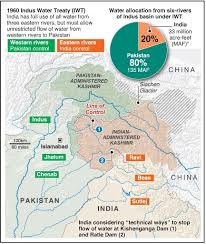
The Indus River system includes six major rivers. The treaty divided them into two groups:
-
Eastern Rivers: Ravi, Beas, and Sutlej — given to India.
-
Western Rivers: Indus, Jhelum, and Chenab — given to Pakistan, but India can use them for limited purposes like irrigation and hydroelectric power without reducing water flow. Newsmax
Main Features of the Indus Waters Treaty
-
Water Sharing:
India can use the eastern rivers completely, while Pakistan uses the western rivers. -
Permanent Indus Commission:
A joint group from both countries was formed to ensure that the treaty is followed and to solve any small issues through discussion. -
Dispute Resolution:
If there are disagreements, they are first discussed in the commission. If not resolved, neutral experts or international arbitration can be used. -
Cooperation and Data Sharing:
Both countries must share data about river flow and new projects to maintain transparency. Newsmax
Importance of the Indus Waters Treaty
The Indus Waters Treaty is a symbol of peace and cooperation between India and Pakistan. Even during wars and political tensions, both countries have continued to follow the treaty. It has helped prevent serious water conflicts and ensured that millions of people have access to the water they need.
The treaty also shows how countries can share natural resources peacefully through dialogue and understanding. Newsmax
Challenges and the Need for Cooperation
In recent years, there have been some disputes over how water is used, especially when one country builds new dams or projects. Climate change, growing populations, and changing rainfall patterns have also made water sharing more difficult.
However, experts believe that continued communication and cooperation can help both countries manage their shared water resources fairly and sustainably.
Conclusion
The Indus Waters Treaty is one of the world’s longest-lasting agreements on river water sharing. It not only provides a fair system for using the Indus River waters but also promotes peace and understanding between India and Pakistan. For Class 9 students, the treaty is an excellent example of how nations can solve common problems through dialogue, trust, and cooperation. Visit Now