
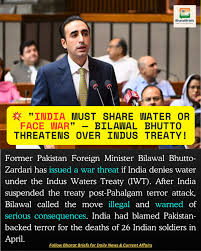
Pakistan Denounces India’s Suspension of Indus Waters Treaty (IWT)
Pakistan Denounces India’s Suspension strongly condemned India’s recent decision to suspend the Indus Waters Treaty (IWT), calling it a unilateral and unlawful move that threatens regional peace and violates international agreements. Pakistan Denounces India’s Suspension Foreign Affairs stated that India’s actions undermine decades of cooperation over shared river systems that are vital to both nations’ agriculture and livelihoods. Newsmax
Background of the Indus Waters Treaty
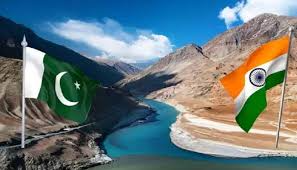
Signed in 1960 under the mediation of the World Bank, the Indus Waters Treaty is considered one of the most successful water-sharing agreements in the world. It allocates control over the three eastern rivers — Ravi, Beas, and Sutlej — to India, while Pakistan receives rights to the three western rivers — Indus, Jhelum, and Chenab. Despite multiple conflicts and strained diplomatic relations, the treaty has remained intact for over six decades.

Pakistan’s Response
In a strongly worded statement, Pakistan warned that India’s suspension of the treaty would have “far-reaching consequences” for peace and stability in South A sia. Islamabad emphasized that the treaty cannot be unilaterally altered or suspended under international law. Newsmax
The Pakistani government has urged India to reconsider its decision and return to the dialogue process to resolve outstanding issues through diplomacy and mutual understanding.

International Concerns
Experts and analysts around the world have expressed concern that India’s move could escalate tensions in an already volatile region. The World Bank, which played a key role in brokering the treaty, may once again be called upon to mediate between the two countries. Environmental groups have also warned that disrupting the established water-sharing mechanism could have severe ecological and humanitarian consequences for millions living along the Indus basin. Newsmax
Call for Dialogue and Cooperation
Pakistan reiterated its commitment to upholding the principles of the Indus Waters Treaty and urged India to engage in constructive dialogue. Islamabad maintained that cooperation over shared natural resources should not be sacrificed for political or strategic reasons.
Conclusion
The suspension of the Indus Waters Treaty marks a concerning development in South Asian diplomacy. As both countries rely heavily on the Indus River system for their agricultural and economic stability, the international community is watching closely. Pakistan continues to advocate for a peaceful resolution, stressing that water should remain a tool for cooperation — not conflict. Visit Now