Pak India War 2.0: Understanding the Future of Regional Stability and Security
Introduction
Pak India War 2.0 has gained attention in recent years, symbolizing the rising tensions, technological evolution, and shifting geopolitical dynamics between Pakistan and India. Both nations share a complex history rooted in conflict, culture, and competition. As military capabilities advance and global politics evolve, the concept of a modern conflict—often termed “War 2.0”—reflects not just traditional warfare but also cyber, economic, and information-based battles.
Historical Background of Pak-India Conflicts
Since their independence in 1947, Pakistan and India have fought multiple wars—mainly in 1947–48, 1965, 1971, and the Kargil conflict in 1999. Each confrontation reshaped regional politics and left lasting effects on diplomacy, defense strategy, and public sentiment. Newsmax
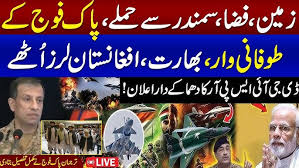
While traditional warfare has been avoided since Kargil, cross-border tensions, terror incidents, and military standoffs continue to keep the region volatile. “Pak India War 2.0” symbolizes what a modern-day confrontation could look like if diplomacy fails.
The Meaning of “War 2.0”
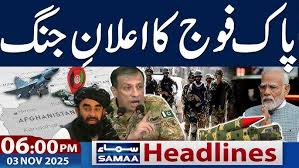
The term “2.0” signifies a new generation of warfare, where technology, data, and hybrid strategies play as important a role as soldiers and tanks. In a possible Pak India War 2.0 scenario, battles wouldn’t just be fought on land, air, or sea, but also in cyberspace, satellite networks, and social media platforms.
This kind of conflict involves:
-
Cyber warfare targeting government, defense, and financial systems.
-
Drone and AI-based defense technologies enhancing surveillance and precision strikes.
-
Information warfare, where narratives and media influence shape public opinion.
-
Economic sanctions and diplomatic isolation as tools of pressure. Newsmax
Modern Military Capabilities
Both Pakistan and India have significantly modernized their military infrastructure over the past two decades.
India’s Advancements
India has invested heavily in defense technology, satellite intelligence, and missile defense systems. With a strong focus on indigenization through initiatives like domestic defense manufacturing, India aims for greater strategic autonomy and technological superiority.
Pakistan’s Developments
Pakistan, too, has strengthened its defense research, missile programs, and tactical capabilities. It focuses on strategic deterrence, advanced air defense, and regional partnerships that enhance its defensive posture.
Both nations maintain nuclear capabilities, which act as a strong deterrent against full-scale war but heighten the risk of escalation if diplomacy fails. Newsmax
Cyber and Information Warfare: The New Frontline
In the era of War 2.0, battles can be fought without firing a single bullet. Cyberattacks on critical infrastructure—such as energy grids, banking systems, and communication networks—can disrupt nations internally.
At the same time, information warfare has become a powerful weapon. The spread of misinformation, propaganda, and digital manipulation can influence public perception and policy. This makes digital literacy and cyber defense essential components of national security.
Economic and Diplomatic Dimensions
Beyond the battlefield, economic stability plays a central role in modern conflicts. Trade restrictions, financial sanctions, and international alliances can all impact the outcome of a geopolitical confrontation.
Diplomatic channels, global institutions, and regional organizations are working to prevent any escalation between Pakistan and India. Dialogue, trade cooperation, and people-to-people exchanges remain key to building lasting peace. Newsmax
The Human and Regional Impact
A modern conflict between Pakistan and India would not only affect both nations but also have global consequences. South Asia is home to nearly 1.7 billion people, and any instability could disrupt trade routes, trigger refugee crises, and impact global peace efforts.
Moreover, both nations possess nuclear deterrents, meaning even limited confrontations carry high risks. Therefore, peaceful resolution, diplomatic engagement, and mutual respect are the only sustainable paths forward.Newsmax
The Role of Technology and Innovation
Interestingly, the same technologies that could fuel conflict can also promote peace. Artificial intelligence, data analytics, and communication networks can be used to predict crises, prevent escalation, and enhance transparency.
Collaborative projects in science, climate change, and regional security can transform competition into cooperation. The true challenge for both nations lies in balancing defense preparedness with diplomatic progress. Newsmax
Conclusion
The idea of Pak India War 2.0 serves as a stark reminder of how warfare has evolved from traditional battles to multi-dimensional hybrid conflicts. In today’s interconnected world, no nation can afford isolation, and no victory comes without devastating costs.
The real victory for Pakistan and India lies not in domination but in dialogue, development, and diplomatic strength. Building peace through cooperation, mutual respect, and shared prosperity is the only way to ensure a stable and secure South Asia. Visit Now